
Somerville, MA (2024)
Student Equity Action Teams
Situation
In Somerville Public Schools, there is a gap between 7th and 8th grade students’ capacity to engage social justice issues and the availability of spaces that build student voice and power. Building upon past work youth work in the district, staff decided that there was energy and desire for student-led equity action teams at the middle school level.
Challenge
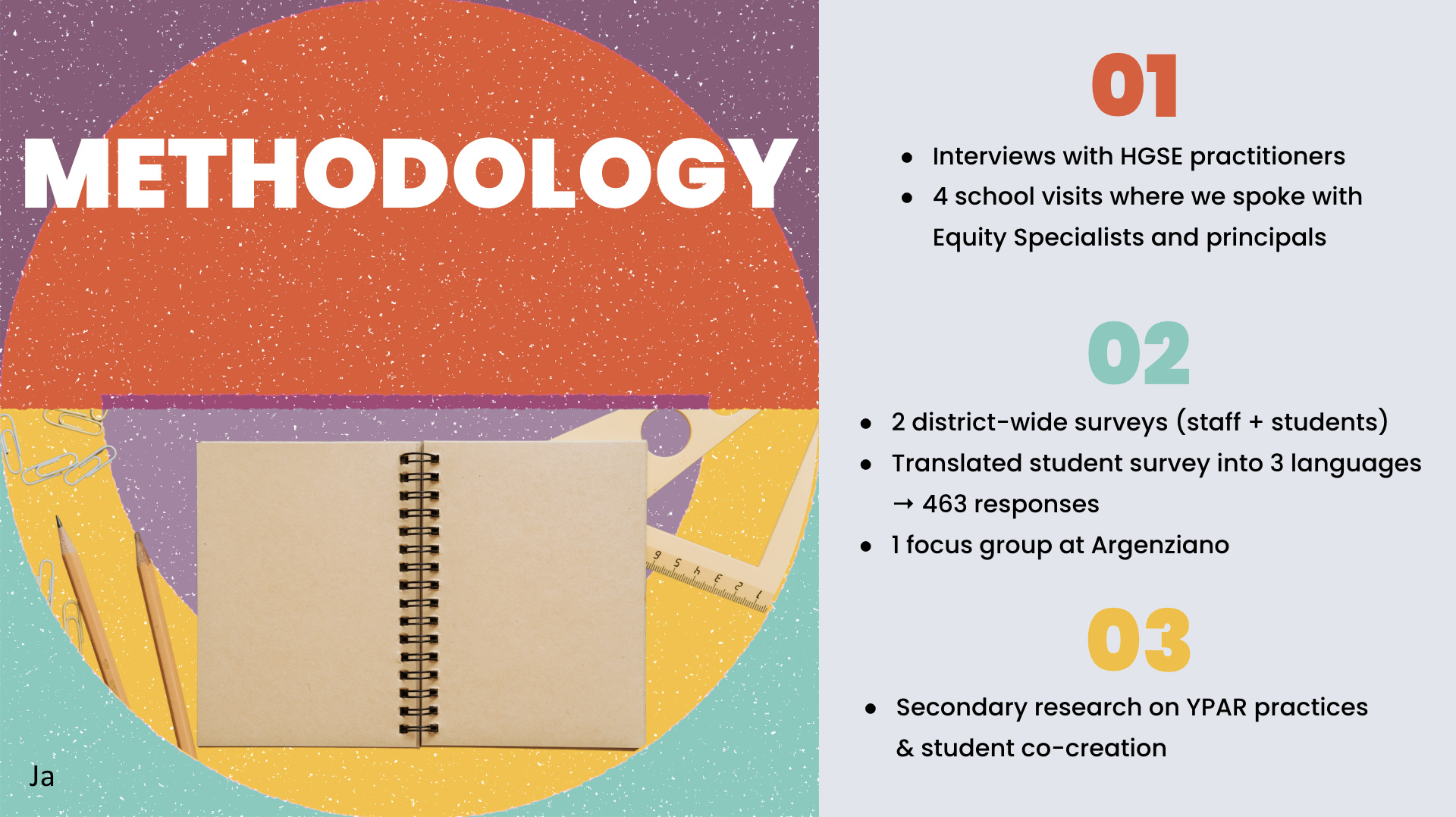
As an Equity and Inclusion Fellow at the Harvard Graduate School of Education, I served as a consultant to the school district. In addition to coaching director—level staff, I collaborated with another fellow to research how implementation could best be enacted. An accurate answer to this question required asking students and teachers what they thought.
Methodology
Data
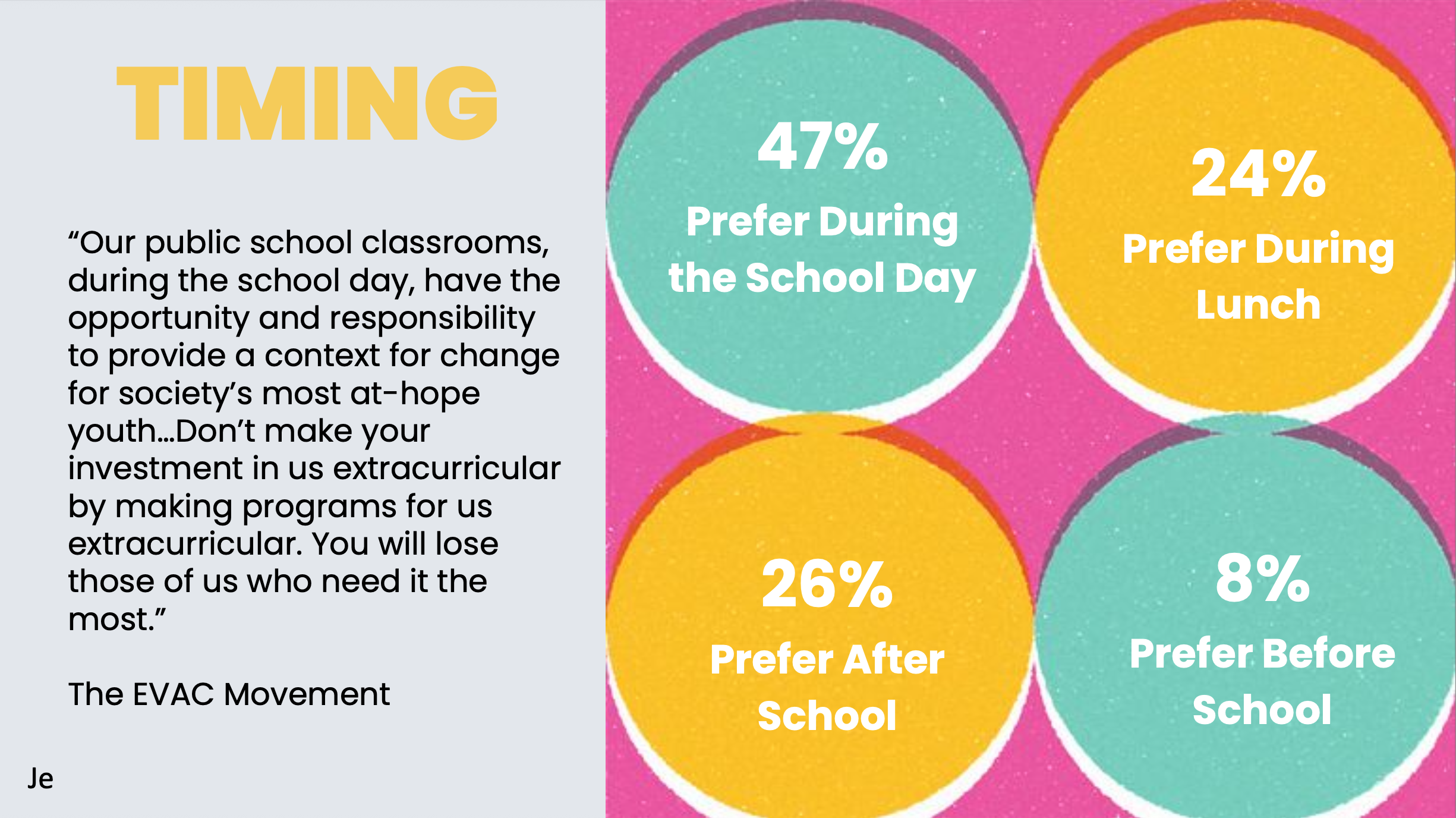
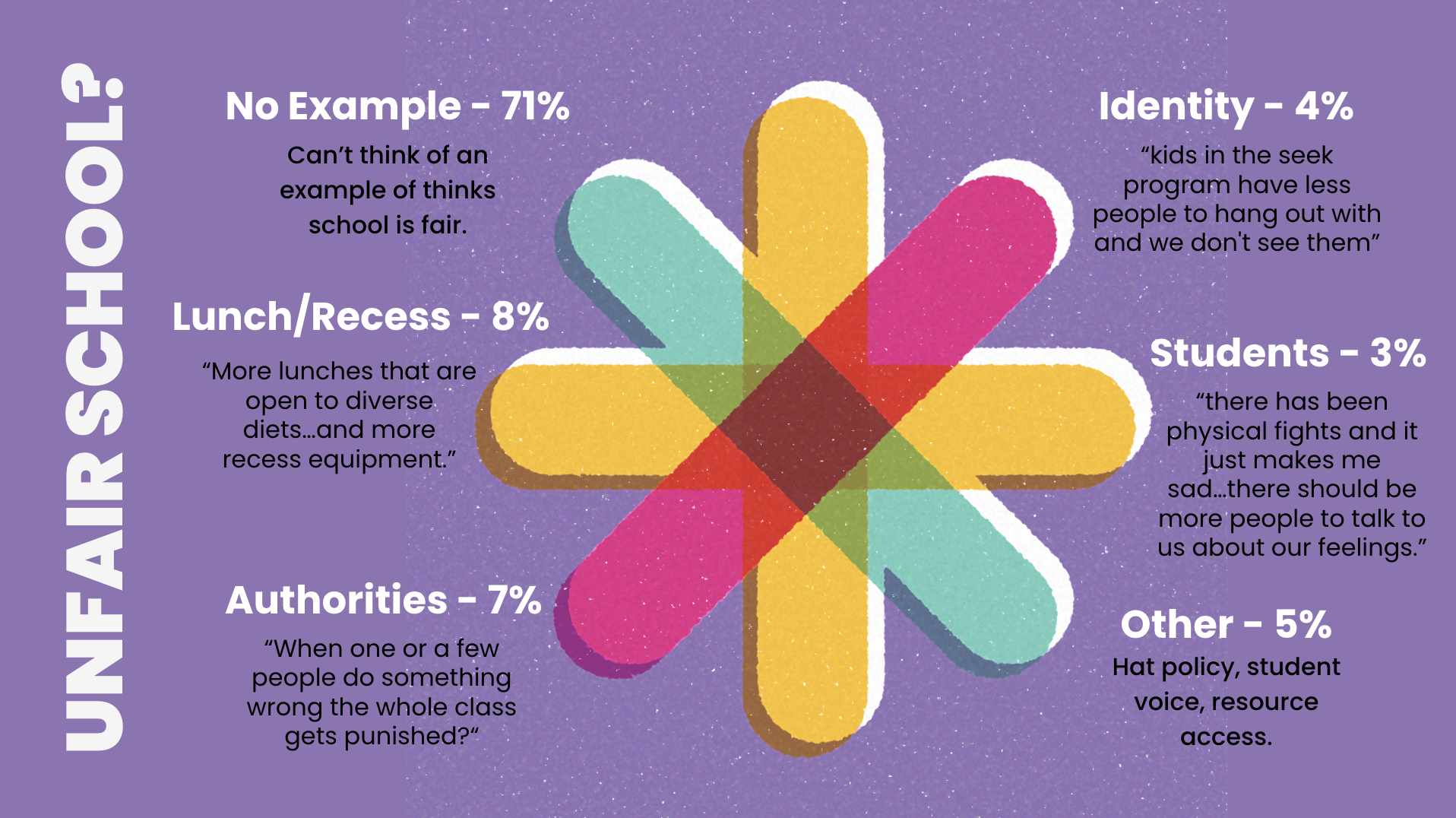
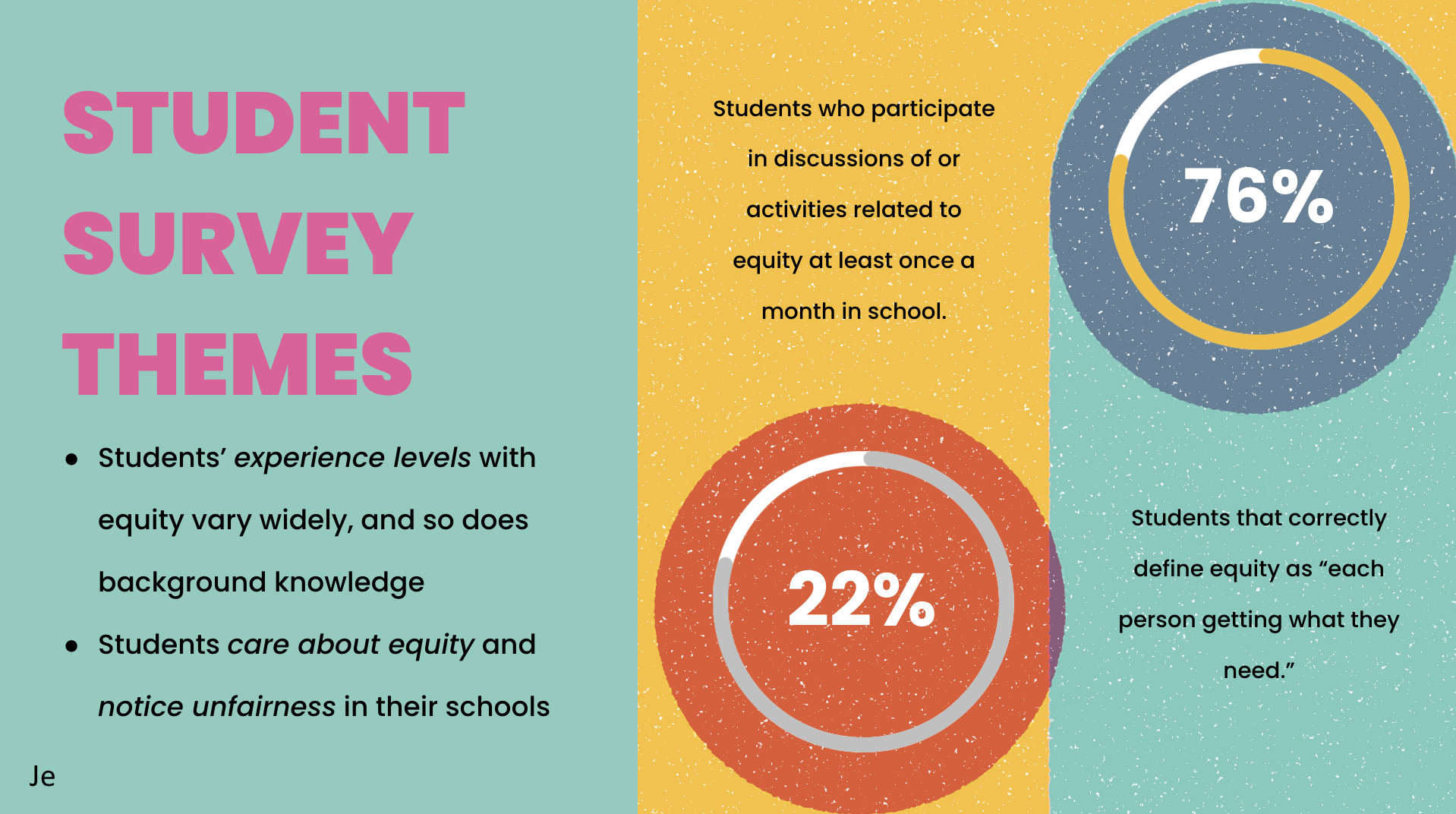
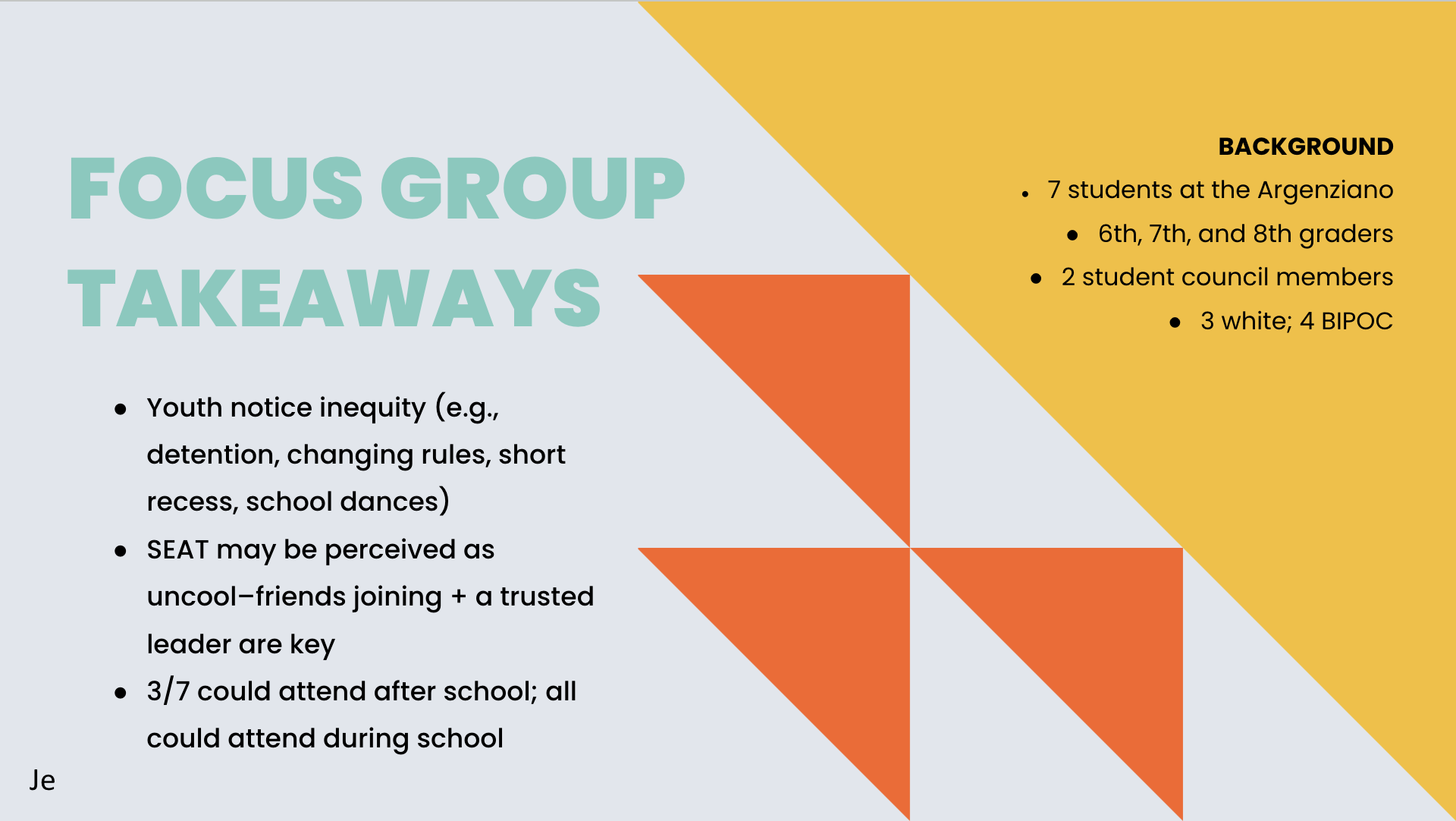
In both our survey and focus group, we found that many students noticed and cared about inequity in their schools, but were concerned that a student-led equity team would be perceived as “uncool” or would lack real power to make change. We also found that the largest group of students preferred school day programming, but others preferred lunchtime or afterschool programs.
Recommendations
Based on our quantitative and qualitative research, we presented the following suggestions:
Create accountability by raising the stakes - Prepare decision-makers (e.g., teachers, principals) to engage students and prepare students to engage decision-makers.
Offer training/feedback - teachers may need support with sharing power and taking on racism/oppression.
Create SEL and practical scaffolding - what wins create motivation, and what research/action support do students need to build credible equity action teams?
Results
As of August 2025, Student Equity Action Teams have been implemented in middle and high schools including the Argenziano and West Somerville Neighborhood School. SEAT is moving forward based on Youth Participatory Action Research (YPAR) where youth select a research question, collect data on it, and come up with action items that allow them to work toward change on the issue they identified.
Initial feedback from students and educators suggests that SEAT is an effective way to build youth power and address equity and inclusion issues.
“I definitely noticed that if kids are in a project like SEAT, it’s a lot easier to create change because we have actual authority. When you’re on your own, you can feel like you are trying to build a boat in an ocean. In SEAT it’s like you have a small platform to stand on.”
— Middle School Student"I think, working with social justice and social change...I think it's gonna be with me for the rest of my life... [I now] think about myself as an activist and find a way to really speak what I, my beliefs and the ideas that I have in my mind. And it's something that I'm looking forward to keep going.”
— High School Student“There was a really funny moment where we figured out that the kids didn't realize that we weren't just doing this for fun, that we were going to come up with recommendations and that people in power were going to hear our recommendations… [It was] the best day in terms of watching the kids' faces go, wait, wait, we can say what we want to happen? …And then the other really great part was ... watching the kids start to unpack systems of inequality and systems of equality.”
— Middle School Educator