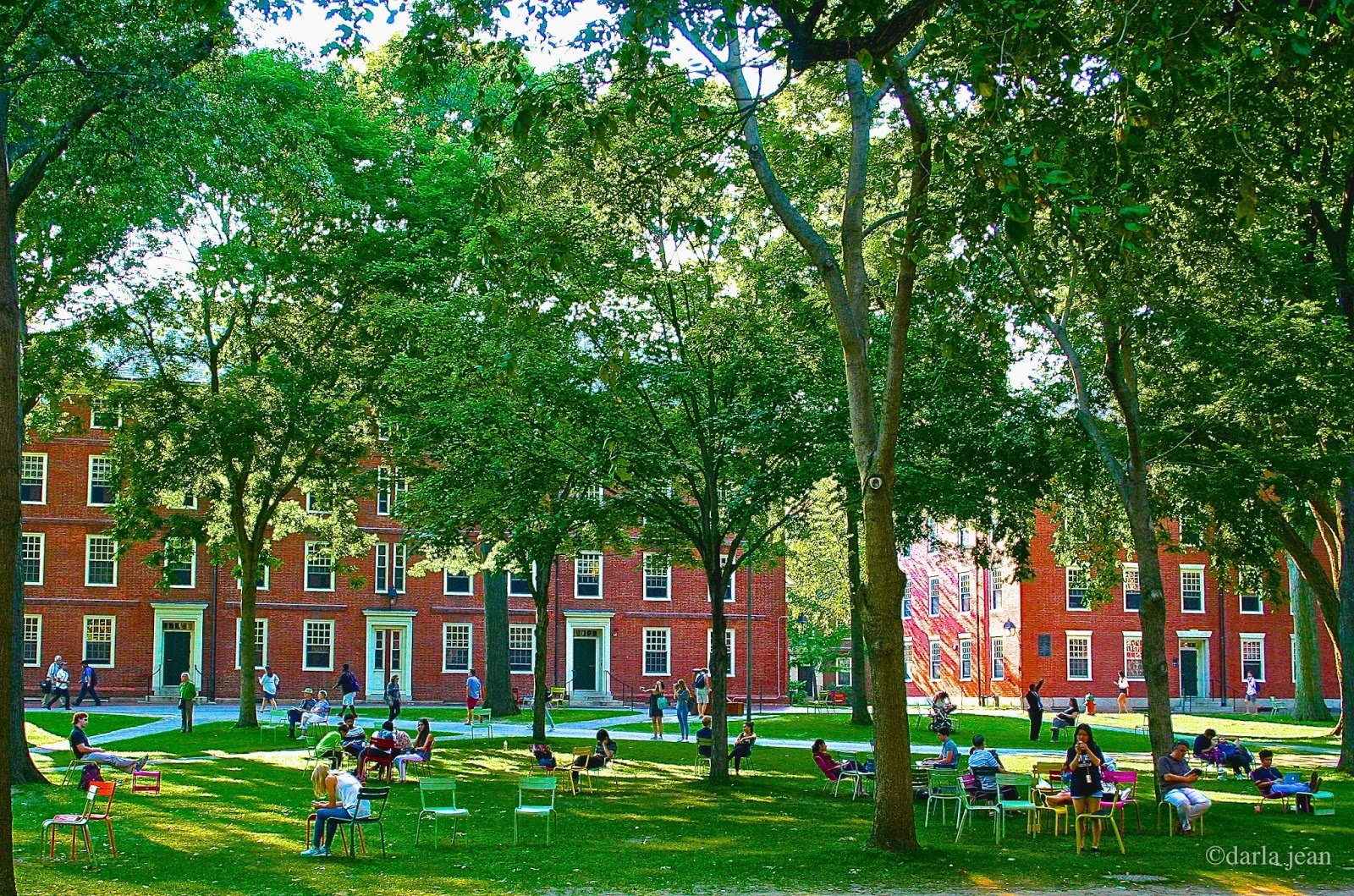
Boston, MA (2024)
Artist Pipeline Program
In a city with rising rents and grassroots arts institutions closing their doors, nurturing the arts is not simply about soliciting calls for projects, but also about delving into the labor and financial conditions that allow artists to survive and create in Boston.
The Artist Pipeline Program cultivates Allston-Brighton artists who are learning to build a sustainable arts future. Through free workshops, resources, and short-term projects, a cohort gains boots-on-the-ground skills, gets individualized support for their self-identified goal or challenge, and complete capstone projects or paid gigs.
The 2024-2025 cohort was committed to equity and creative excellence. The cohort contained a sound healer, utopian metalworker, shoemaker designing gender-inclusive footwear, a multidisciplinary culture worker, and others.
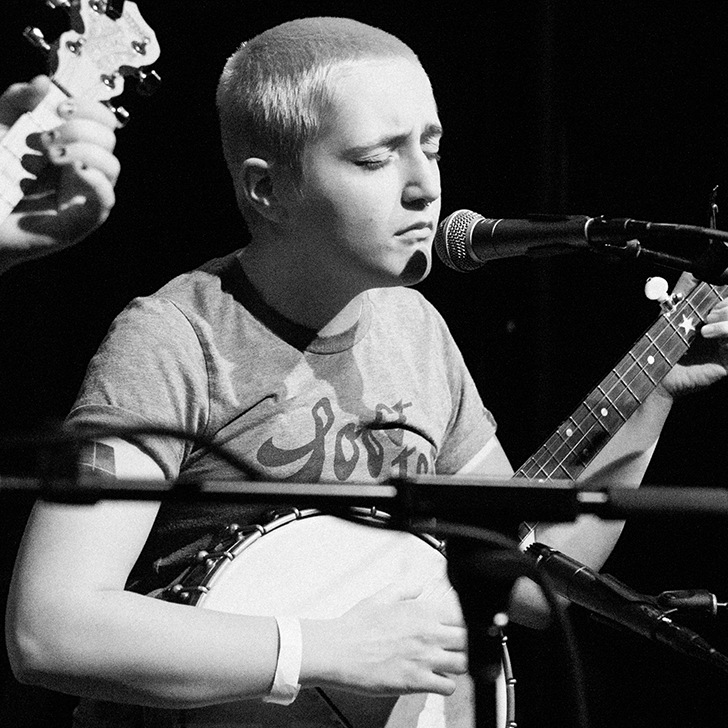


In my role building program infrastructure for the 2024-2025 pipeline program, I organized a roster of guest presenters who spoke on topics ranging from artist taxes to cultural equity. I also designed, marketed, and delivered a sold-out pedagogy workshop, which helped teaching artists design workshops in their own creative disciplines.


I improved the program by identifying and addressing three core needs.
Problem 1
The program was committed to recruiting artists from under-represented backgrounds, and wanted to fine-tune the call for applications to recruit diverse artists.
Problem 2
Robust survey data to evaluate cohort meetings was available, but was difficult to parse for people without statistical backgrounds.
Problem 3
In the gaps between monthly meetings, artists from the pilot cohort expressed a greater desire for consistent engagement.
Solution 1
In my role on the selection committee, I advocated for using more inclusive language in the recruitment post to specifically invite in women, LGBTQ+ applicants, and BIPOC applicants who might otherwise have self-disqualified. I also used statistical analyses of individual rankings to identify and uplift top candidates from a competitive pool.
Solution 2
I presented monthly data reports in plain language to help facilitators understand how artists were receiving the programming. These reports resulted in a closer focus on artists’ individual skill development.
Solution 3
I shared paid opportunities for artists on a Slack channel and coordinated coffee chats to create warm, clear communication between artists and administrators at the Harvard Ed Portal.
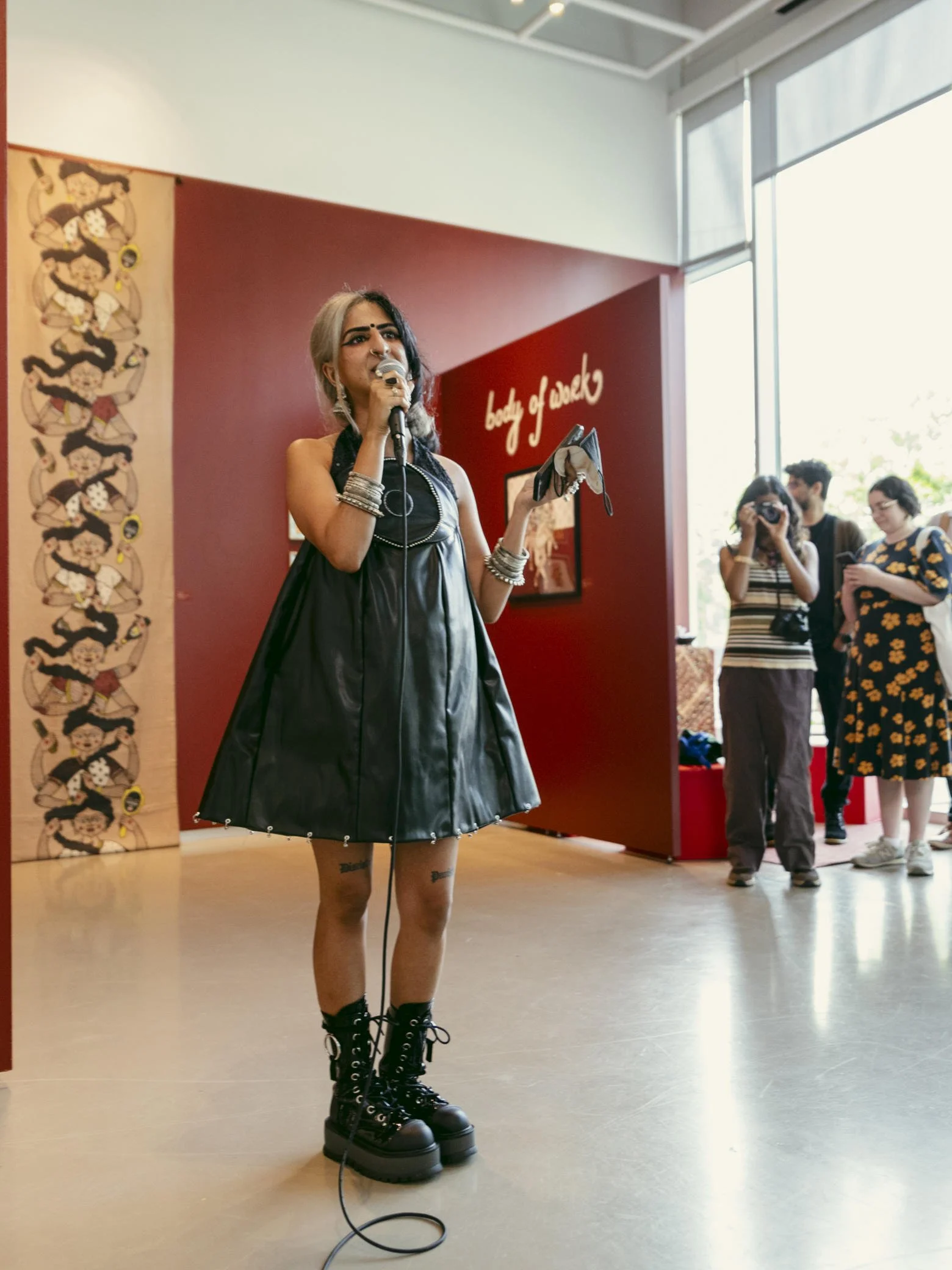
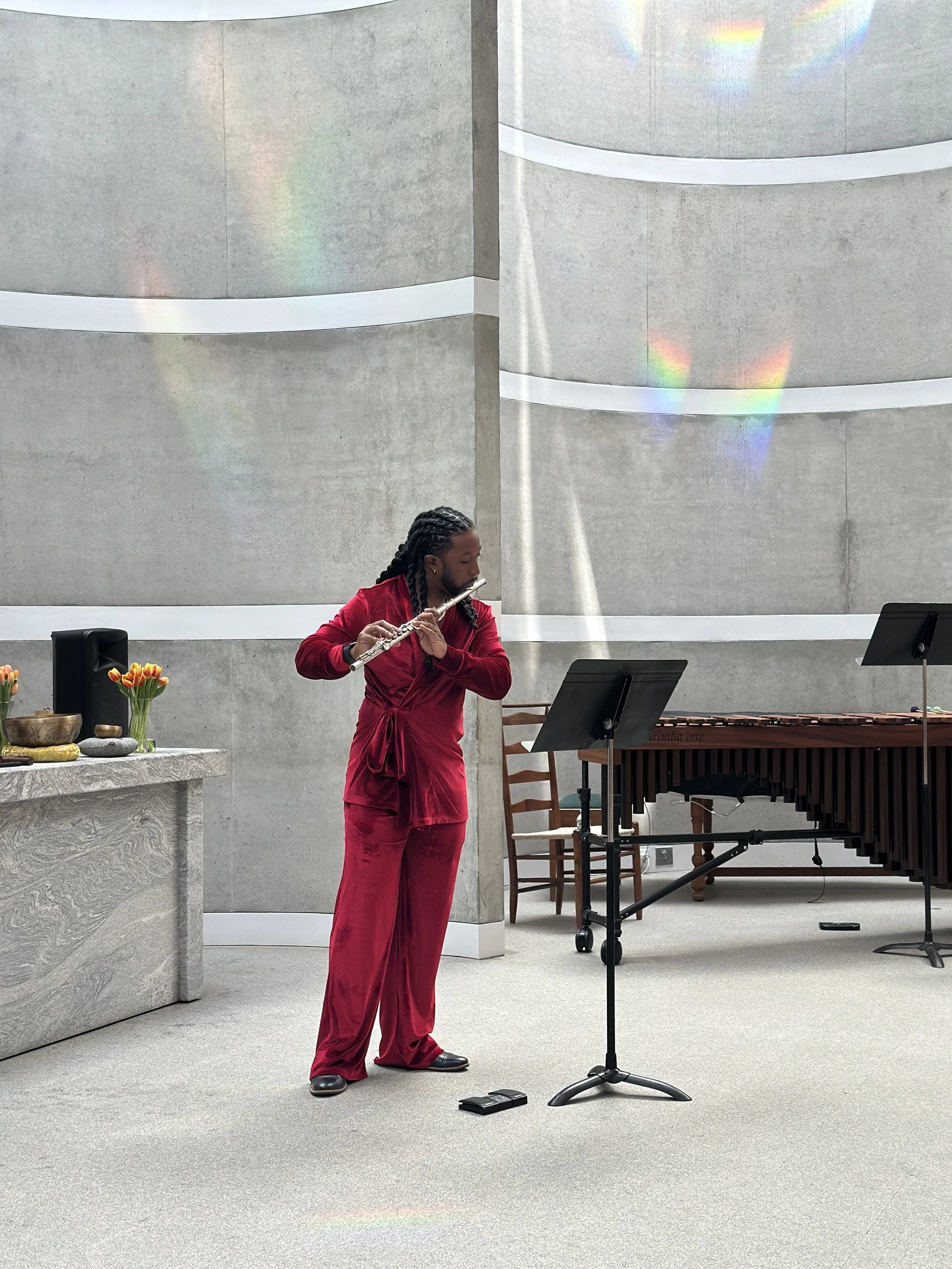
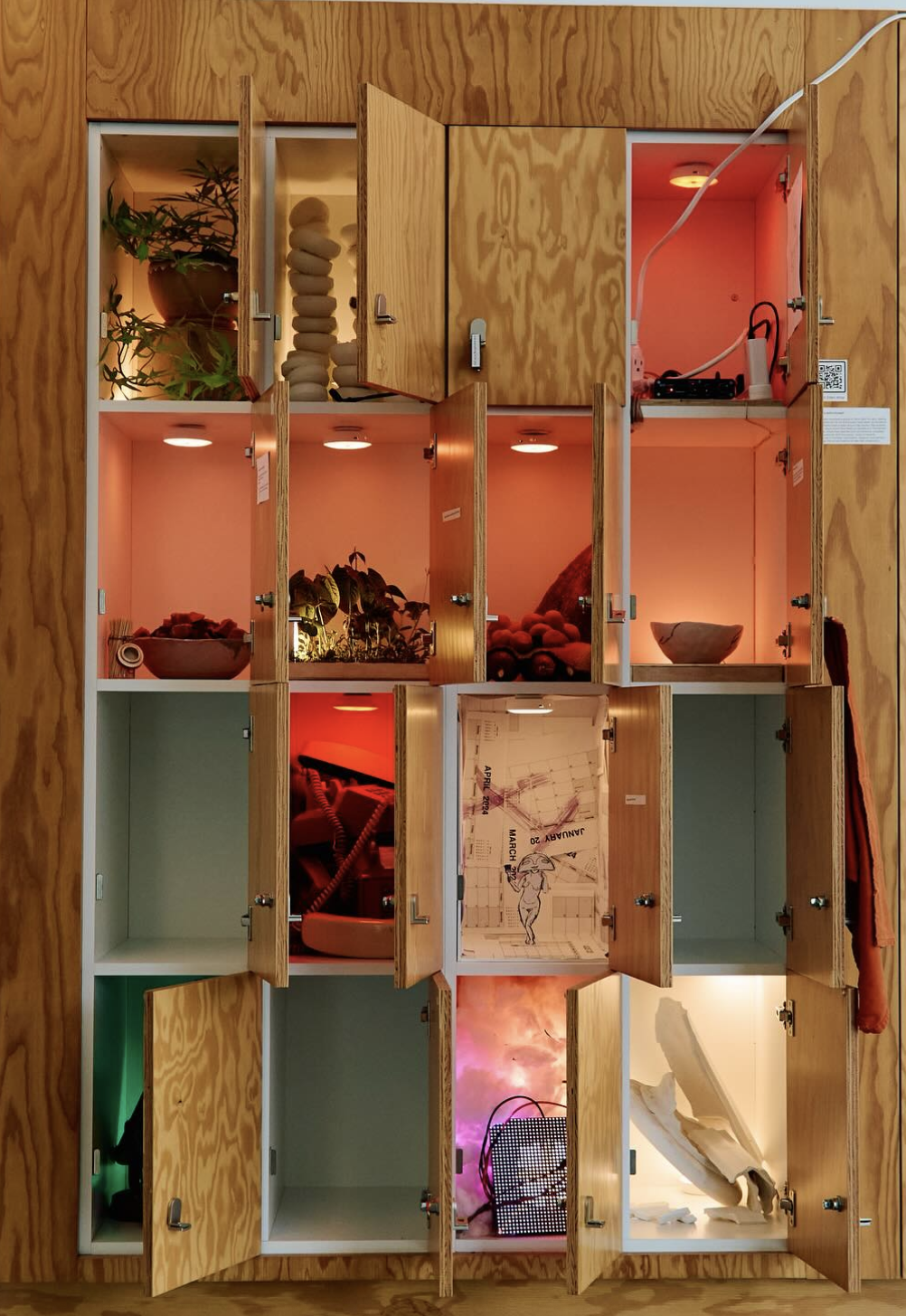
Capstones from the 2024-2025 cohort. From left to right, Eden Attar, payal kumar, and Deshaun Gordon-King.