Boston, MA (2024)
Franklin Park Action Plan
Challenge
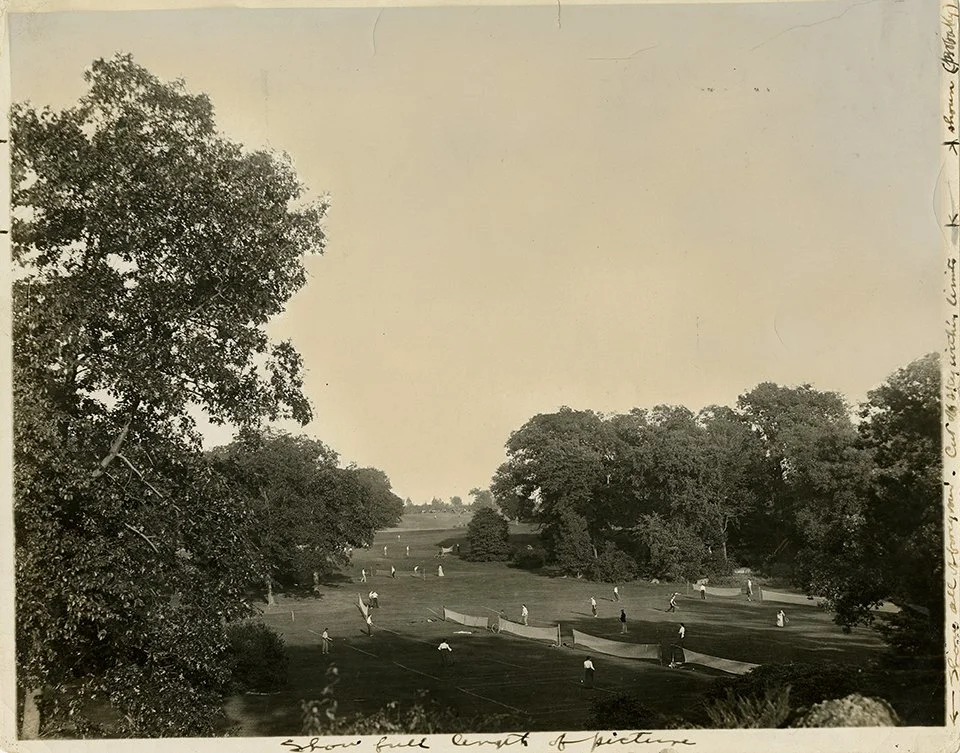
Franklin Park is the crown jewel of Boston’s parks.
To maintain the park, the City of Boston needs a strategy to raise $200 million over the next 20 years.
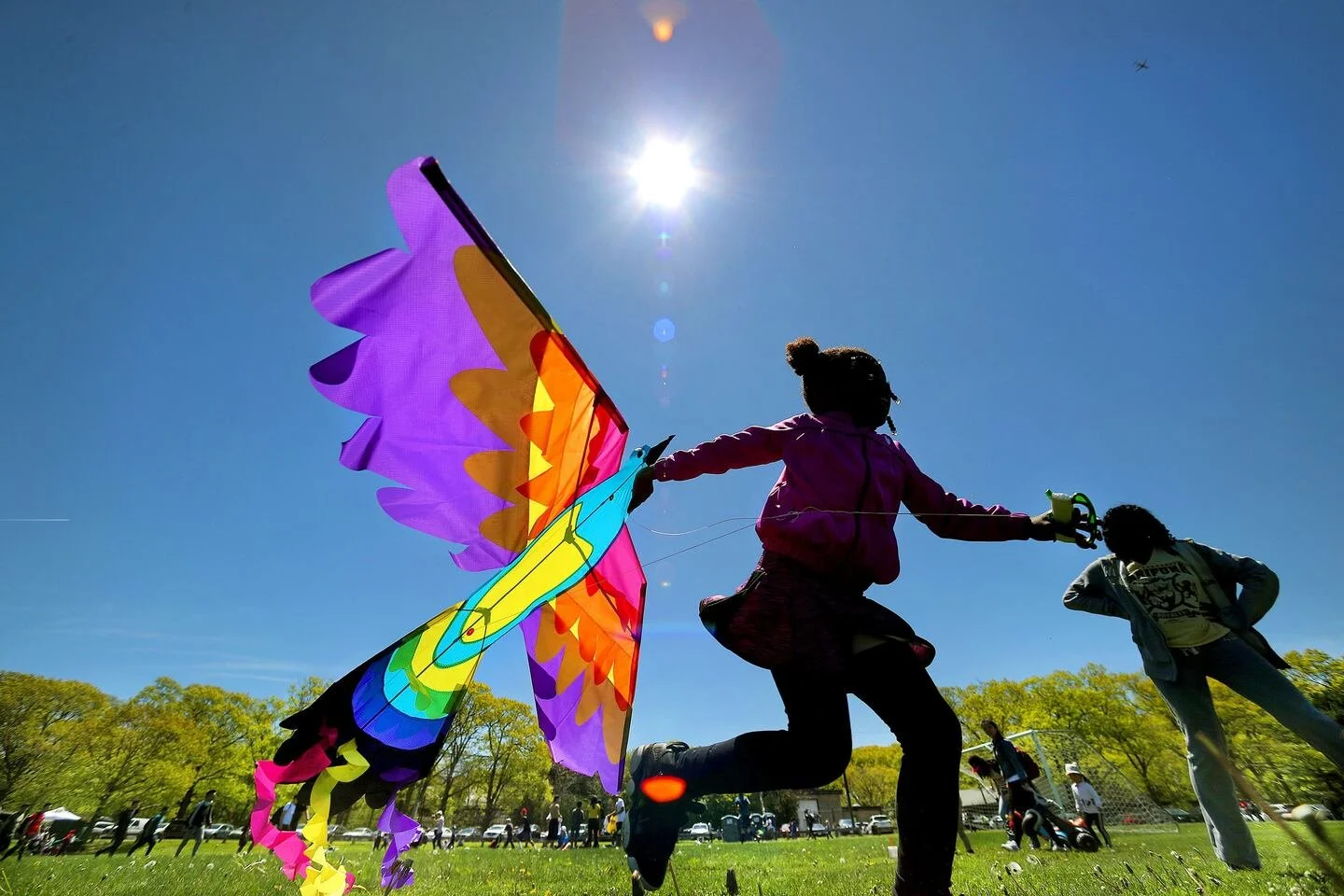
“Donors should be falling all over themselves to care for this park – a historical park, Olmsted’s final masterpiece, amongst marginalized neighborhoods.”
Chris Cook, Former City of Boston Parks CommissionerMethod
Franklin Park has a rich history as a natural space and cultural landmark, particularly for Boston’s African American community. Comparable parks in the United States use fundraising strategies like public-private partnerships, philanthropic investments, and earned income from park amenities (e.g., parking garages, food and drink).
To support the fundraising project, I collaborated with two other Mayor’s Office of New Urban Mechanics fellows to write a research memo proposing a
fundraising governance structure
philanthropic fundraising plan
and earned income strategy.
We interviewed 20 high-profile stakeholders within the City of Boston and other parks to deliver learnings that could support the fundraising mission. Our work included navigating questions of money and power within a park that is a key site of Black joy within the city and that has been historically maintained by neighbors rather than the city government.
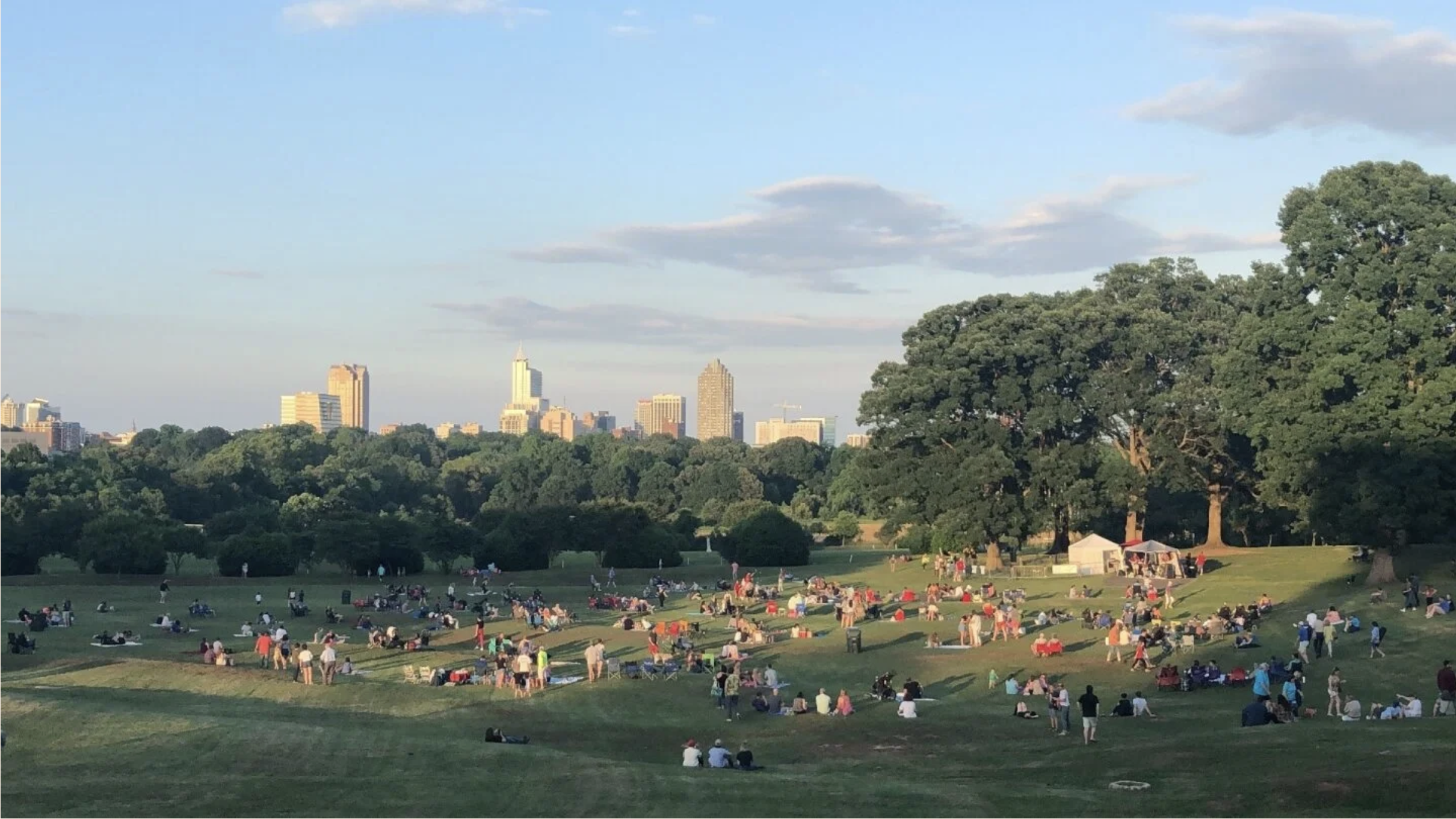
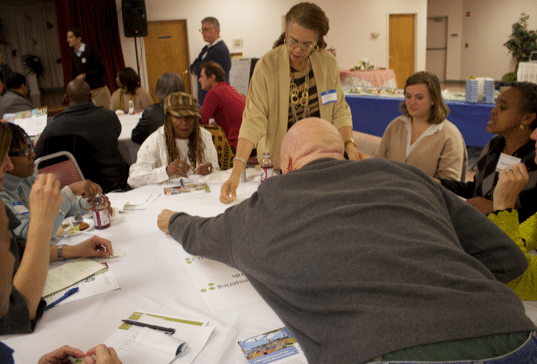
Left: Dorothea Dix Park (Raleigh, NC); Right: Community design charrette for 11th Street Bridge Park (Washington, D.C.)
Takeaways
Drawing from the celebrated community engagement processes used with 11th Street Bridge Park and Dorothea Dix Park, I recommended three concrete actions the City could take to jumpstart the engagement process:
1. Recruiting a community advisory board that can provide input on fundraising decisions. Community members should represent the diversity of lived experience in the neighborhoods that surround Franklin Park and should be compensated for their time.
2. Conducting engagement sessions that communicate A) how funds will be used in ways that serve the community and B) why the City of Boston cannot provide all the funds themselves.
3. With community input, begin devising a list of criteria for philanthropic and earned income funds that can or cannot be accepted, as well as determining what opportunities are permissible as philanthropic enticements (e.g., naming rights, gala fundraisers).