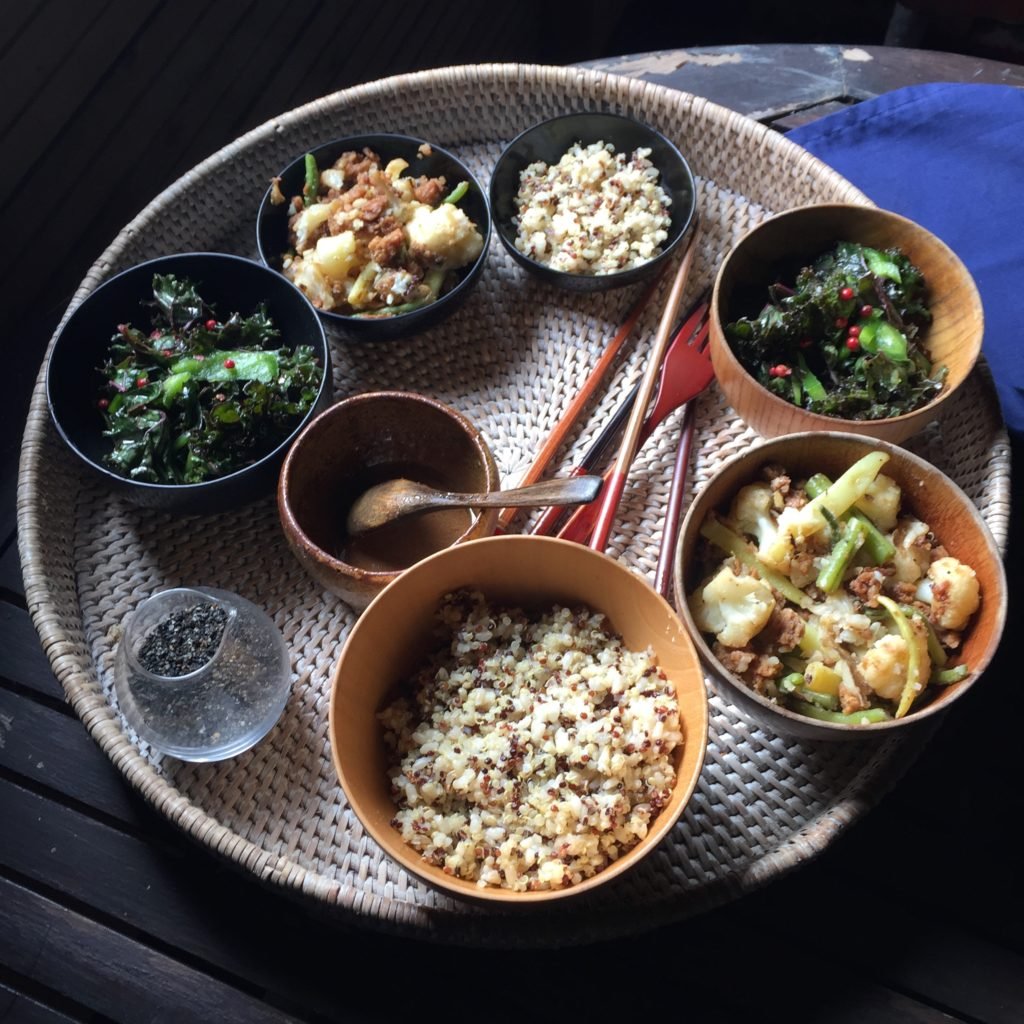
Bergerac, France (2025)
Awami Conscious Food System
Lessons for Secular Communities from the Zen Monastery
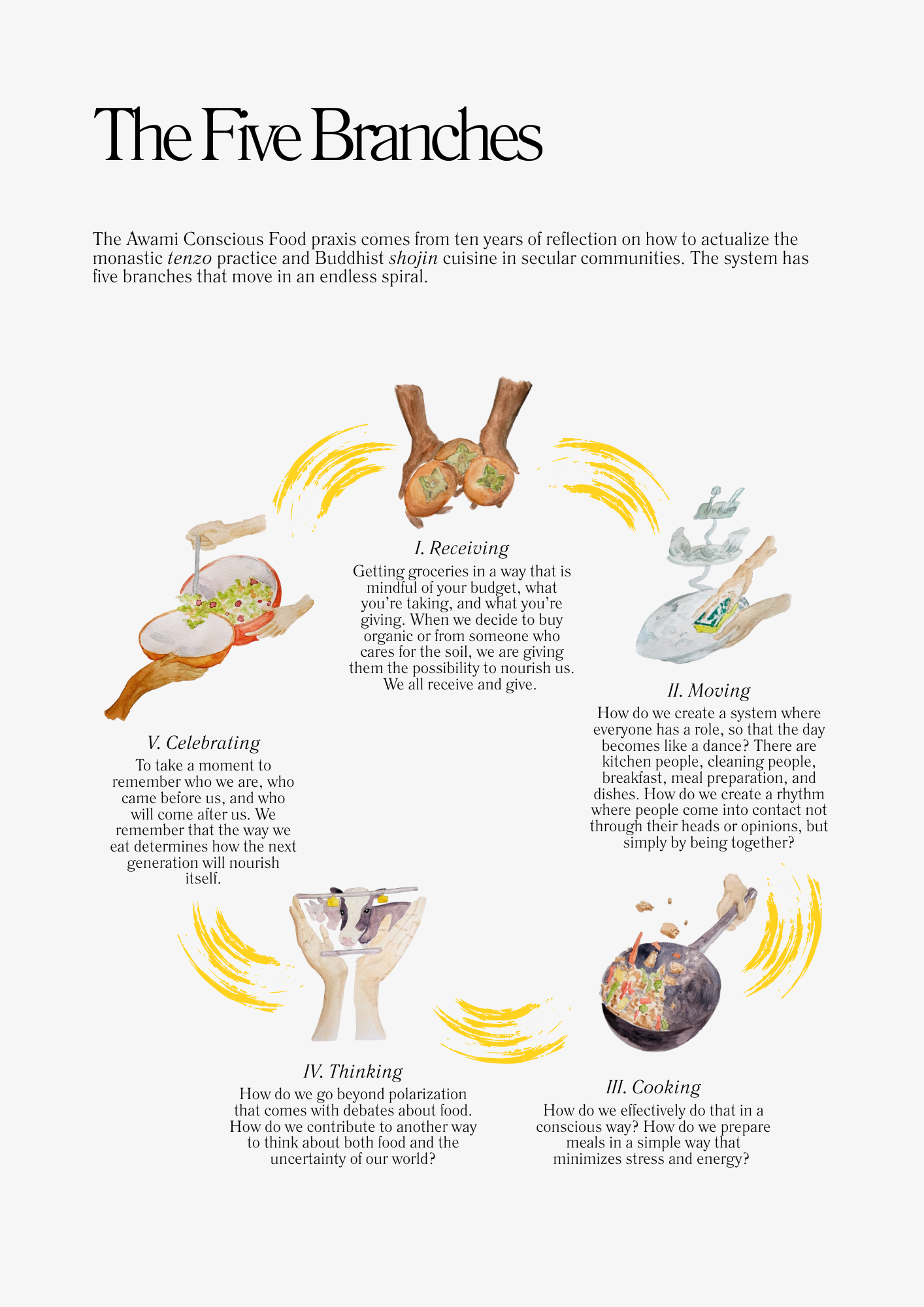
The Awami Food System presents a practical framework for collective cooking, shared care, and intuitive food culture.
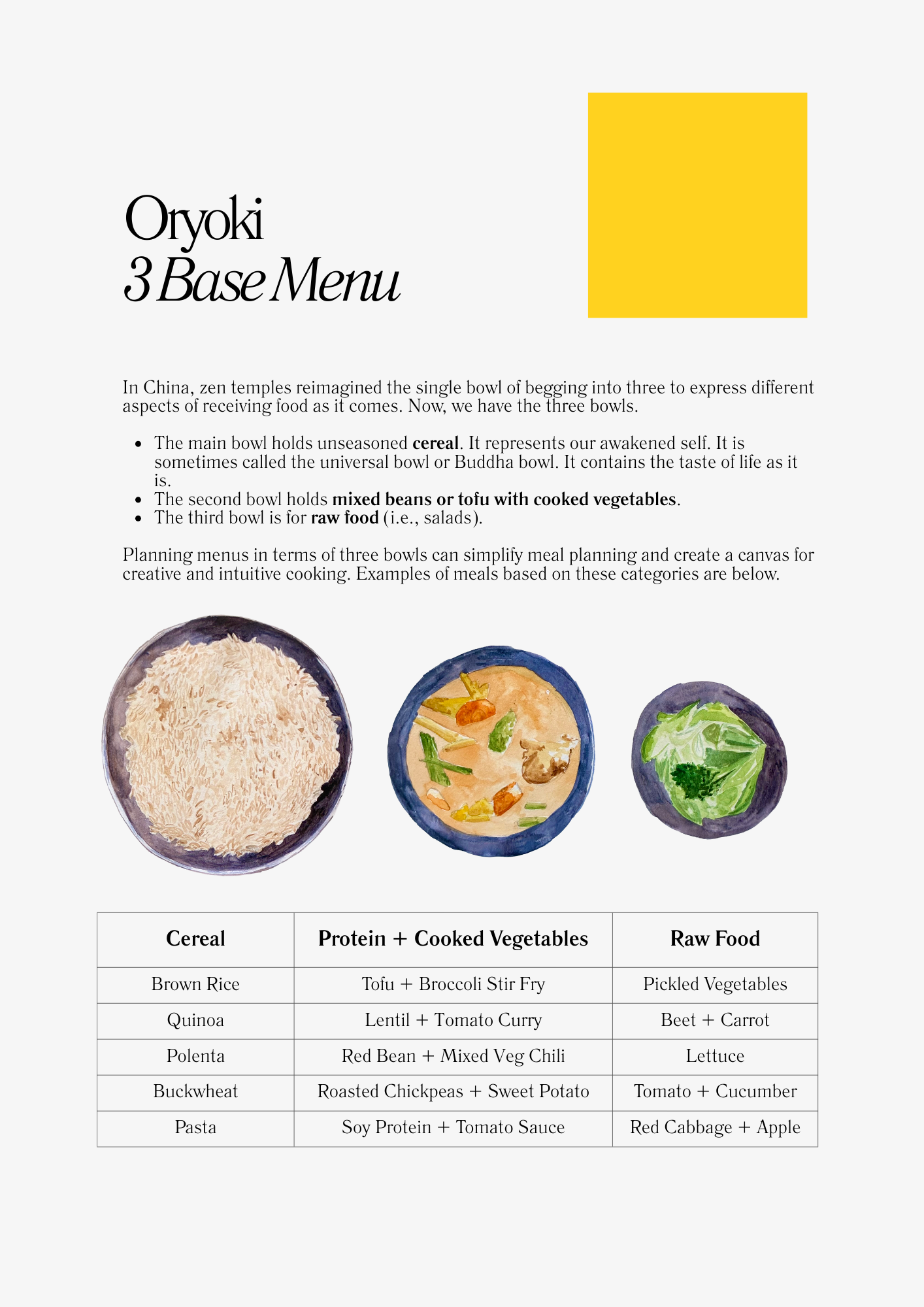
The guide is a 27-page resource designed for people who cook together: coliving communities, shared households, cooperatives, and groups who believe food is more than fuel. It proposes a food system that is ecologically conscious, economically realistic, and socially sustaining—without turning daily cooking into a bureaucratic burden.
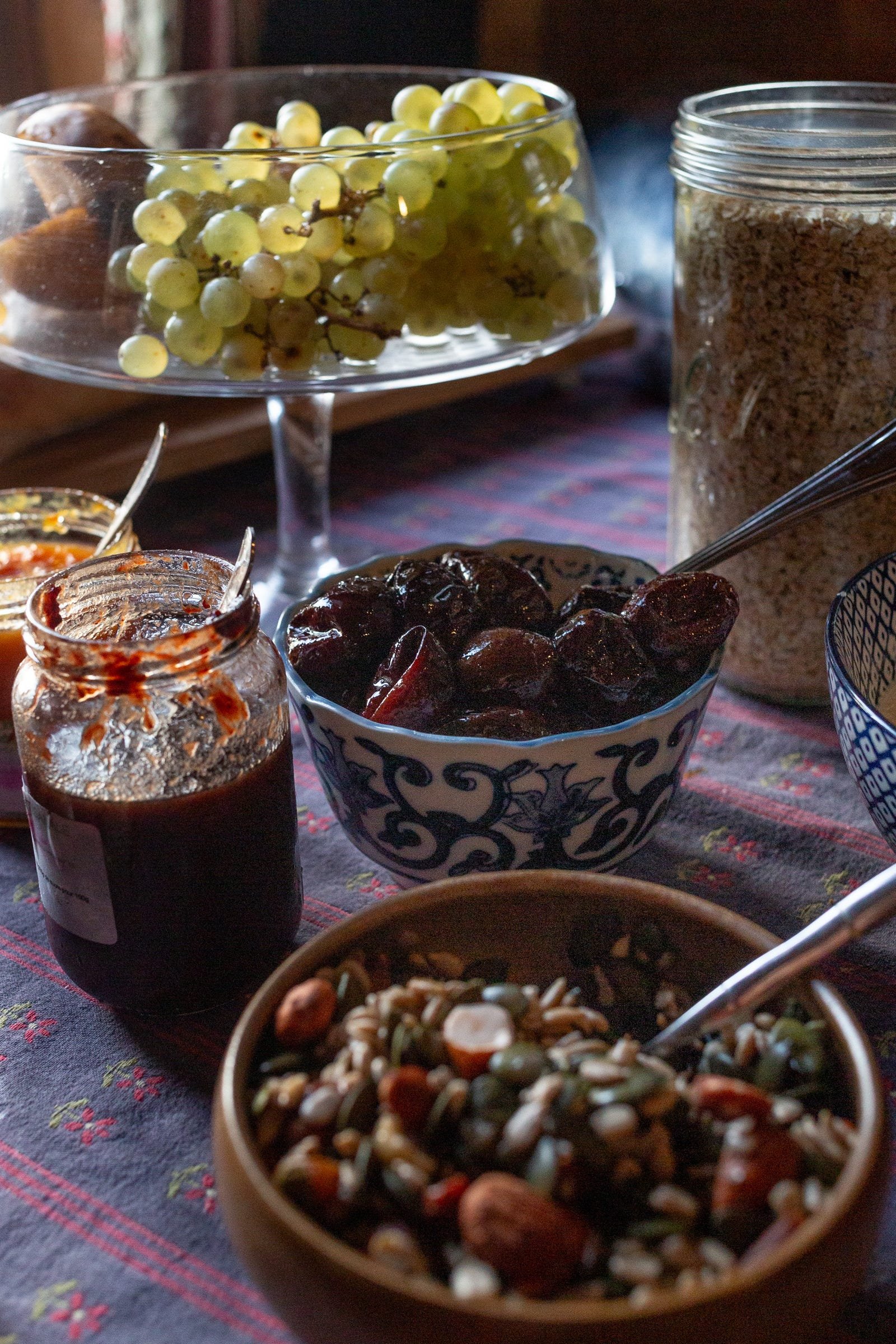
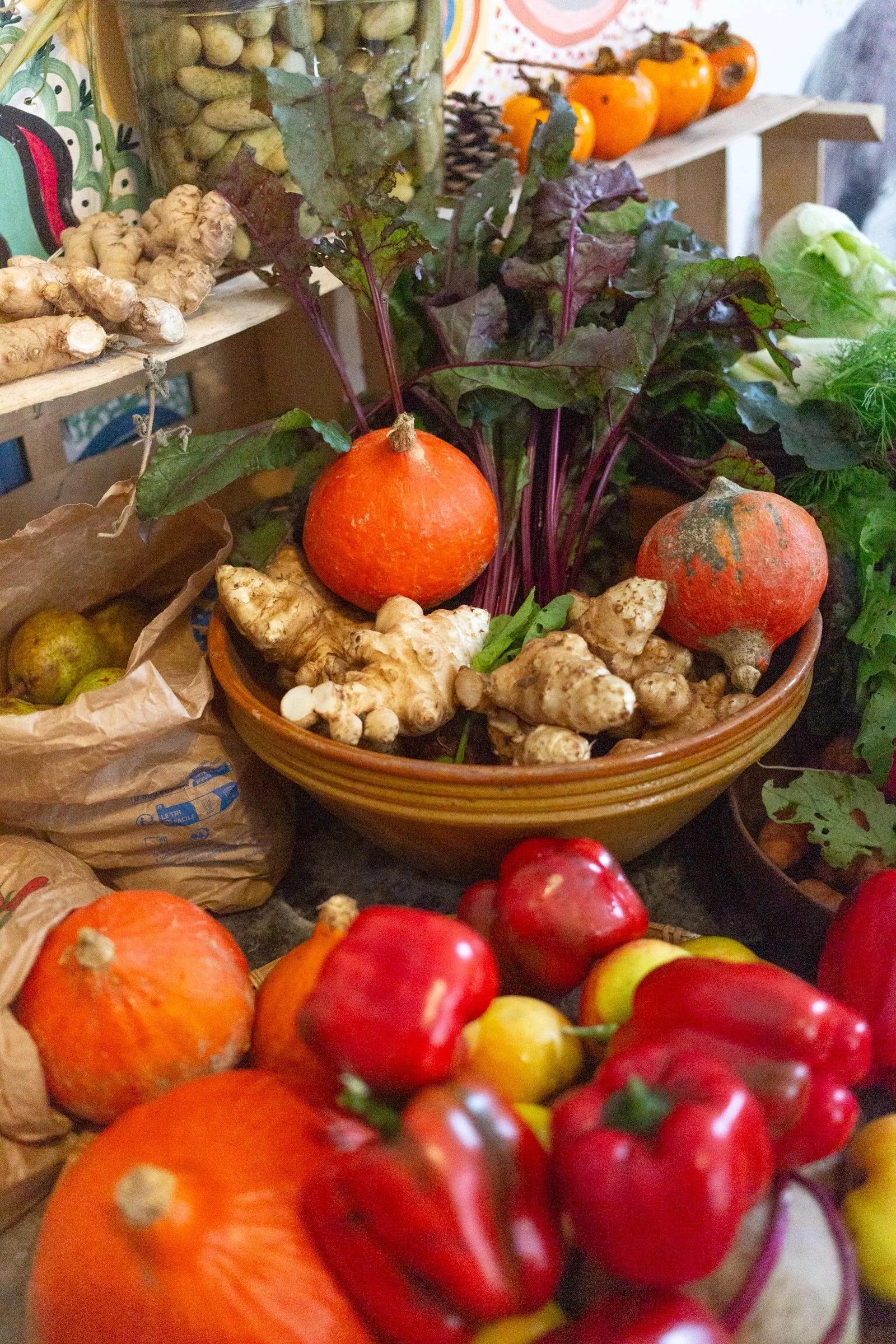
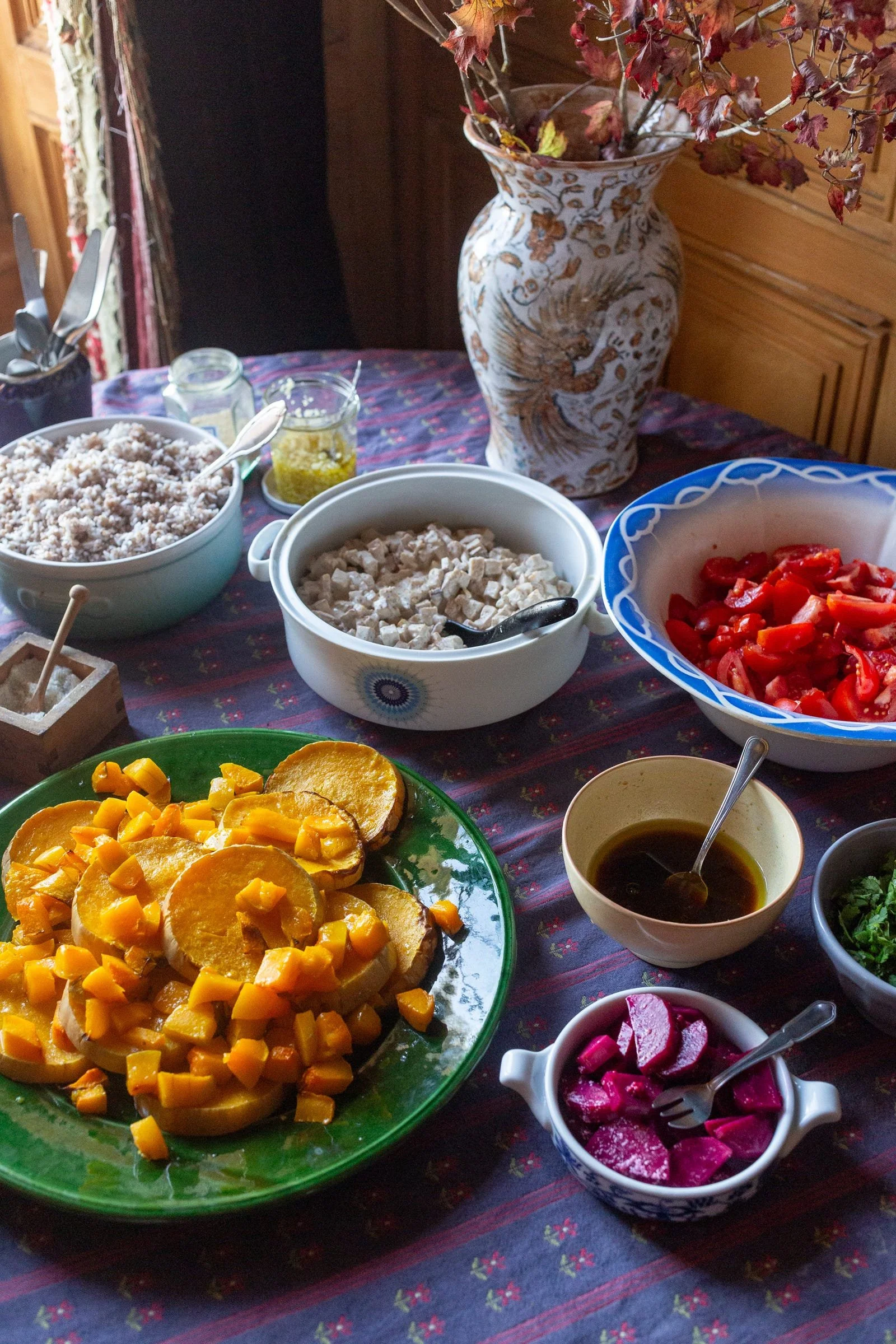
What Awami Is About
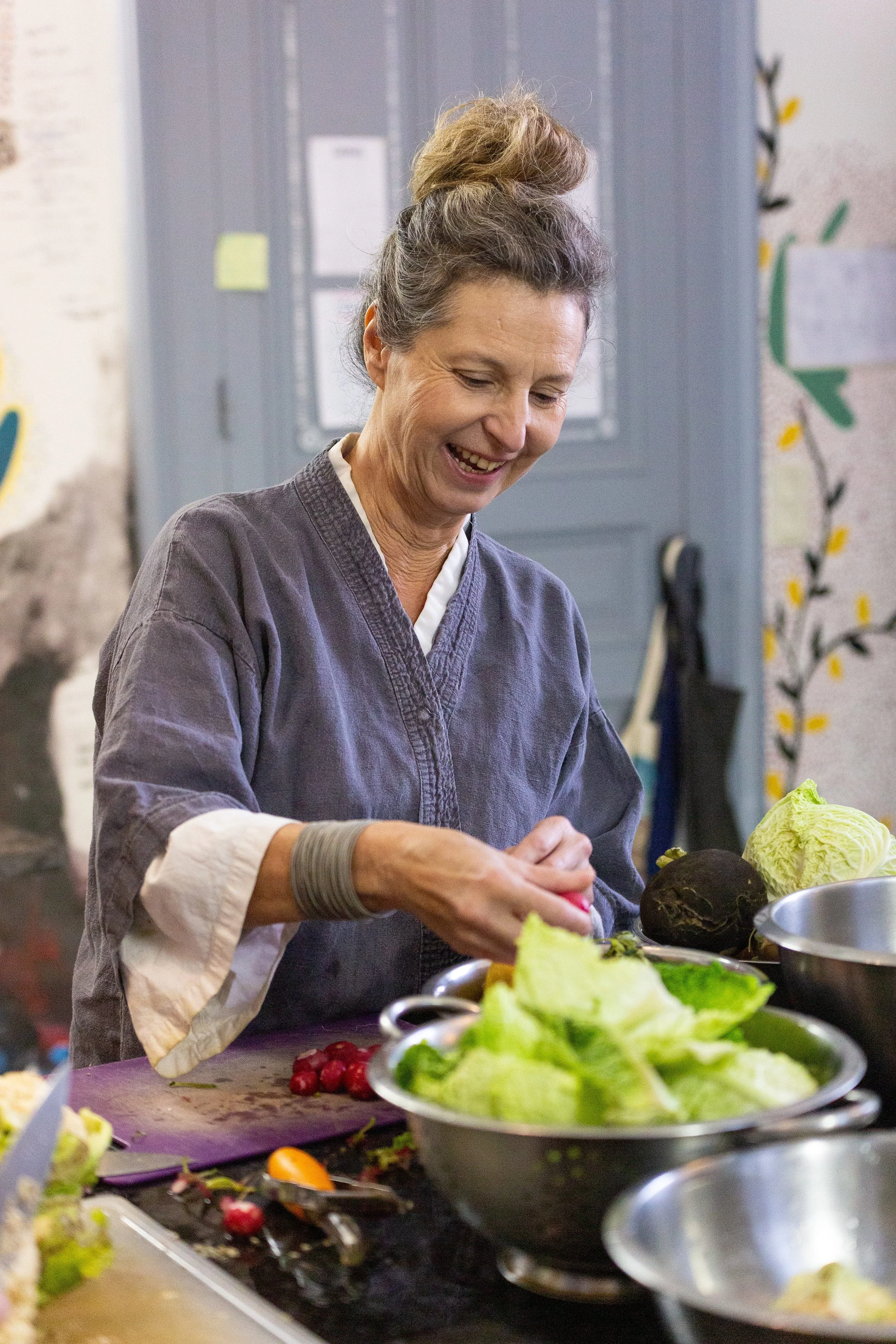
Tenzo Valerie Duvauchelle created the Awami Food System as the crystallization of ten years of living in Japan and studying monastic food systems. She implements these systems in a secular coliving community called the Life Itself Praxis hub in Bergerac, France. Residents frequently describe the system as life-changing.
The system offers simple structures that support:
Shared responsibility without burnout
Flexible roles instead of rigid chore hierarchies
Cooking that adapts to skill levels, moods, seasons, and resources
A return to intuition, not perfection
The guide arose from four hours of interviews with Valerie that I converted into a book script and illustrated with watercolor paintings.